The Alice Boner Institute, located in the millennium-old city of Varanasi, stands as a repository for the artistic traditions of India. It houses an art library as well as a rich art and manuscripts collection. As an institution, it nurtures academic and artistic research through its residencies and exchanges programs, short courses and publications.
The residency targets individuals whose research or creative work engages with the culture of India or Varanasi. They can be writers, social science researchers or cultural practitioners such as dancers, musicians, and visual artists. To be selected, it is important to demonstrate the need for them to immerse themselves in a city like Varanasi. During the course of their stay, they will be introduced to other institutional networks such as schools, universities, cultural spaces, local artists, scholars, and activists. Connections will be facilitated by the Alice Boner Institute.
Residents are expected to make one public presentation or workshop of their work or connected to the project they wish to execute during the residency, preferably at the Alice Boner Institute. The resident should be willing to engage with the cultural heritage of the city and the region, which should be an integral part of their project.
While the Alice Boner Institute does not currently offer a dedicated team of assistants or collaborators for project development or ideation, it fosters an environment conducive to independent exploration and creativity. The Institute benefits from its vibrant surroundings, which include early morning yoga practices and occasional lively events nearby, contributing to a dynamic and culturally rich atmosphere for residents and visitors alike.
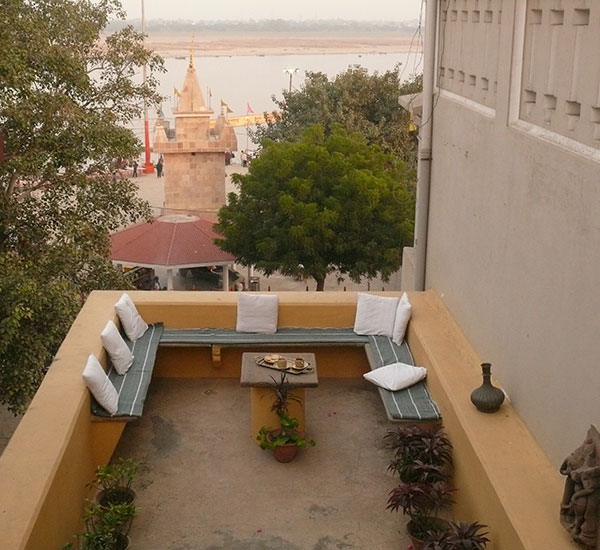
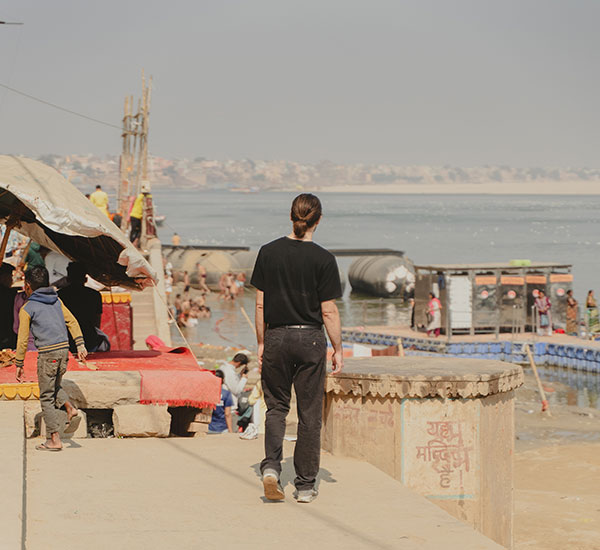
The Alice Boner Institute is located on Assi Ghat, on the banks of the river Ganga, at the southern end of the city of Varanasi (formerly Benares), the most sacred city for Hindus, home to the Kashi Vishwanath temple.
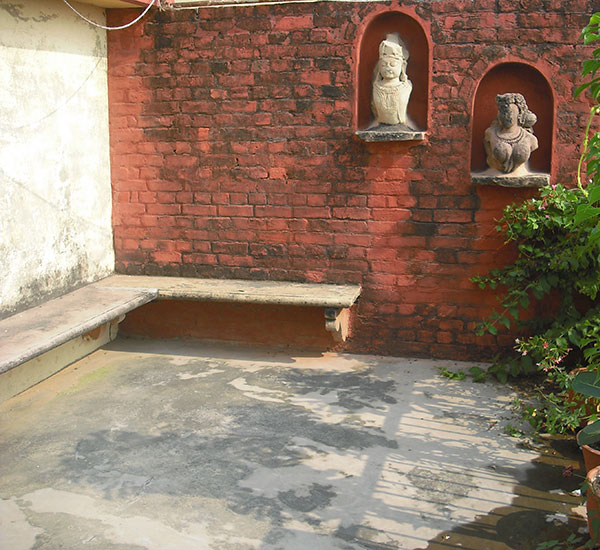
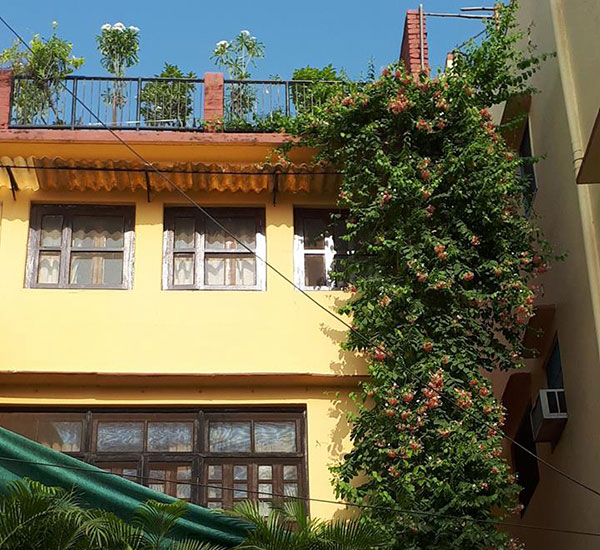
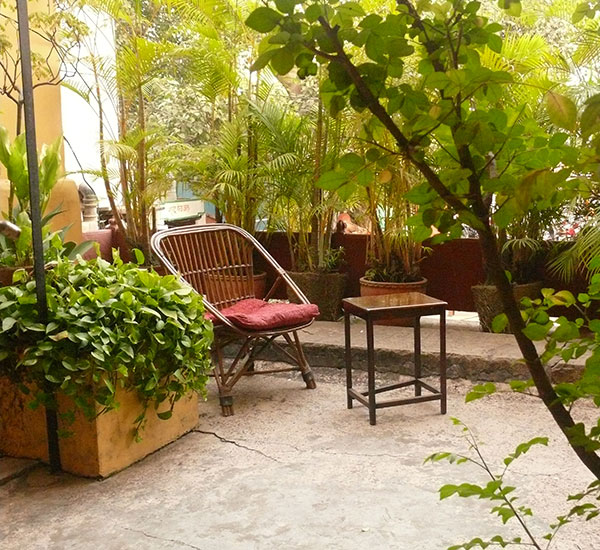
A traditional heritage house comprising several rooms organized around an inner courtyard, the Institute was once the home of Swiss artist and scholar Padma Bhushan Dr. Alice Boner who lived in India from 1935 to her death in 1978.
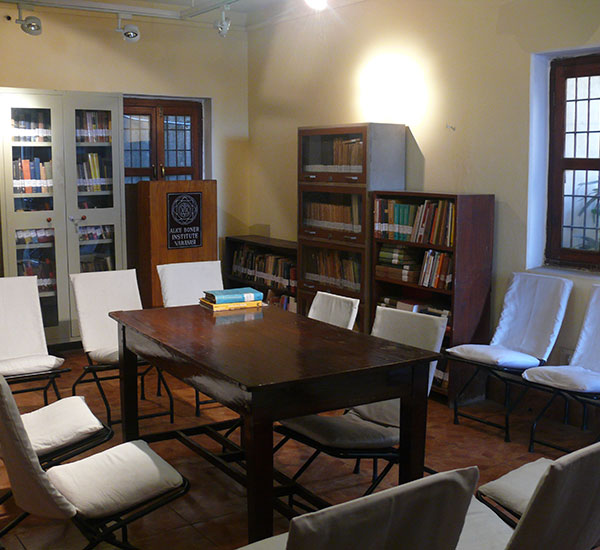
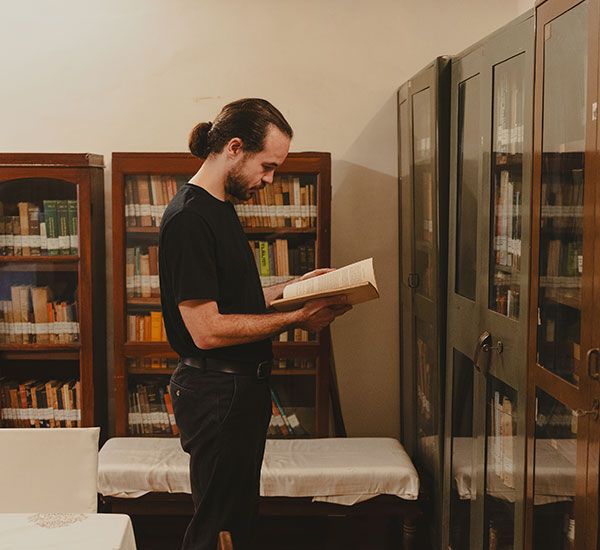
The building is tastefully decorated with Indian artefacts and comprises a patio and administrative office on the ground floor, bedrooms, a living room and an in-house kitchen on the first floor and a library and studio space on the second floor. The third floor has a large terrace where readings and gatherings are regularly organized by the Institute. The atmosphere is quiet and serene, yet just a few steps away from all the daily activities and rituals performed on the ghats. There may or may not be another resident at the time of the residency.
Author
During my residency at the Alice Boner Institute in Varanasi, I hope to develop a literary project conceived as a subjective herbarium. The plants I encounter-a tree, a flower, a moss, a plant in a courtyard or beside the river-will become starting points for writing about places, people, memories and ways of inhabiting the world. Plants will not be decorative elements, but a method of observation. I work from attention rather than certainty.
Olivier Liron is a French novelist, poet, essayist and literary translator. A graduate of the École Normale Supérieure and former lecturer at Sorbonne Nouvelle University, he is the author of books published by Gallimard, Robert Laffont and Rivages. His work explores otherness, vulnerability, belonging, ecology and overlooked forms of life, moving between narrative, essay and poetry. He has also created stage performances and audio fiction, and regularly leads creative writing workshops. During his residency at the Alice Boner Institute, he will begin a literary project conceived as a subjective herbarium, using plants to observe places, encounters and the living world.
Author and Musician
India has long been calling me, and the time has now come in my life. Varanasi is a city where death opens onto rebirth - a place to let something in me die, and something else be born. I expect to be shaken. This residency offers the rare chance to write from within that transformation, and to let Indian classical music, the Ganga, and Alice Boner’s library reveal a different relationship to music, to the violin, and perhaps to sound itself - as devotion.
Marina Chiche is a violinist, author, and researcher whose career bridges performance, scholarship, and artistic exploration. She began playing the violin at the age of three and has performed at the Berlin Philharmonie, the Paris Philharmonie, and Beijing National Concert Hall. She has recorded award-winning albums, holds a PhD in Arts, and has taught violin in Taiwan and Germany. She is the author of Musiciennes de légende and creates podcasts for Radio France and RTBF. She is now writing her next book, exploring what remains of a musician when the body must discover new ways of inhabiting music.