Residency brief
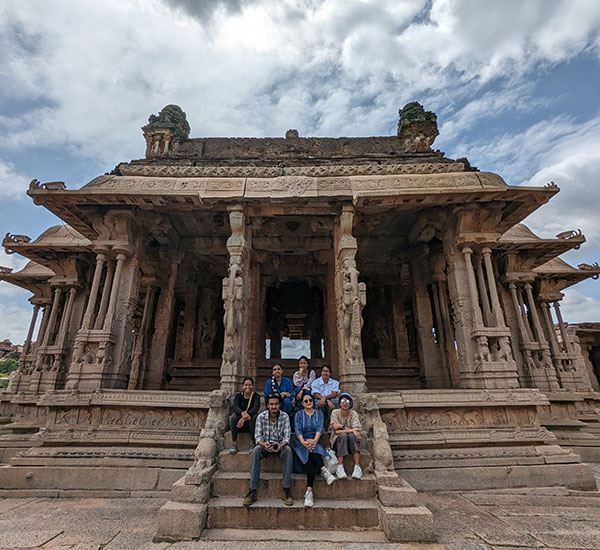
The Hampi Art Labs, nestled within the rich cultural tapestry of south India near the UNESCO World Heritage Site Hampi, stands as a beacon for artistic exploration and collaboration. Born from a legacy of over 30 years of support for art and heritage, it was founded by Mrs. Sangita Jindal and her daughter Tarini Jindal Handa, under the patronage of the JSW Foundation.
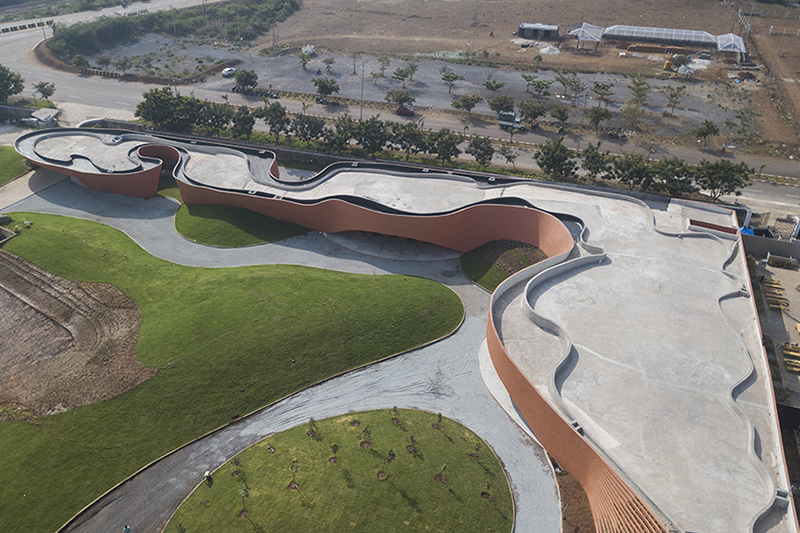
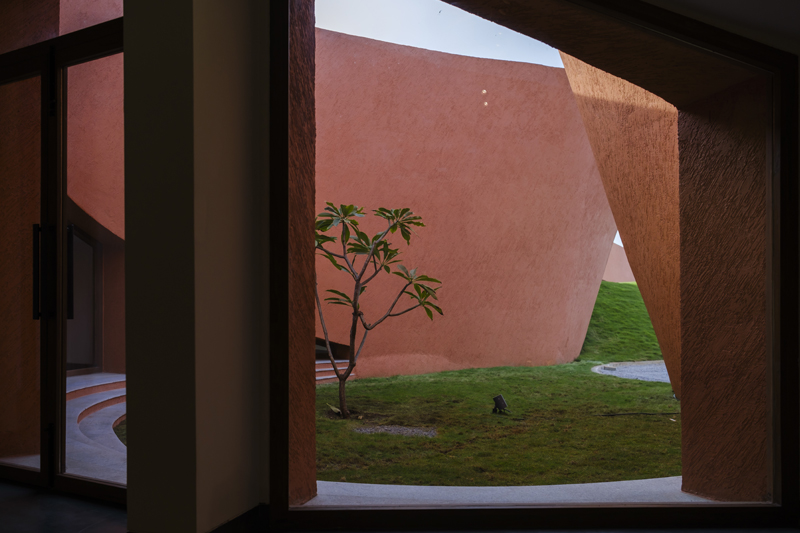
Positioned as an interdisciplinary institution inspired by the ancient temple city of Vijayanagar, the residency embodies a commitment to fostering creativity amongst a backdrop where art, heritage and nature converge. Spanning 9 acres of lush landscape, the residency offers a serene retreat for artists seeking to immerse themselves in their practice.
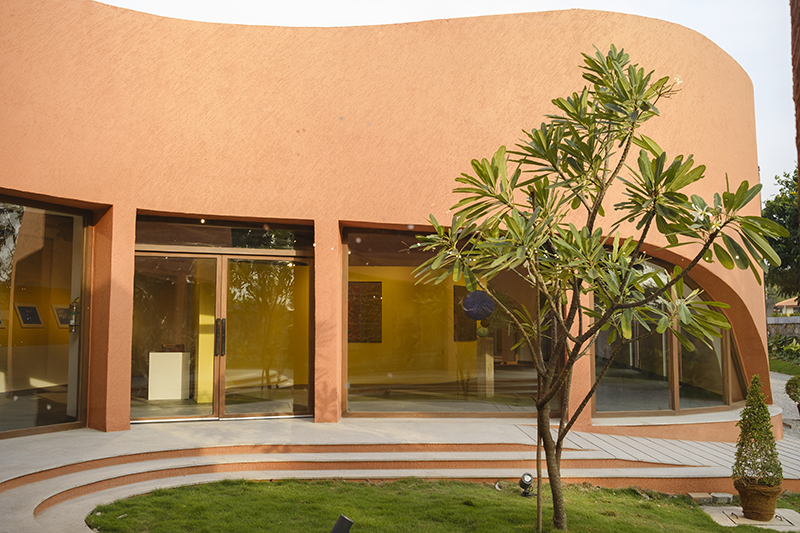
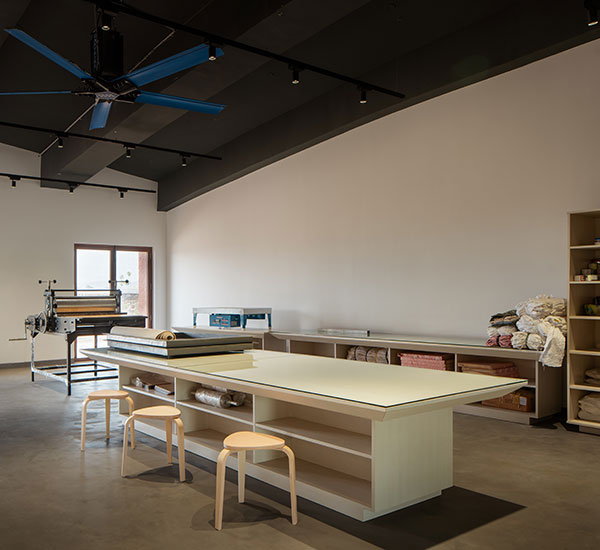
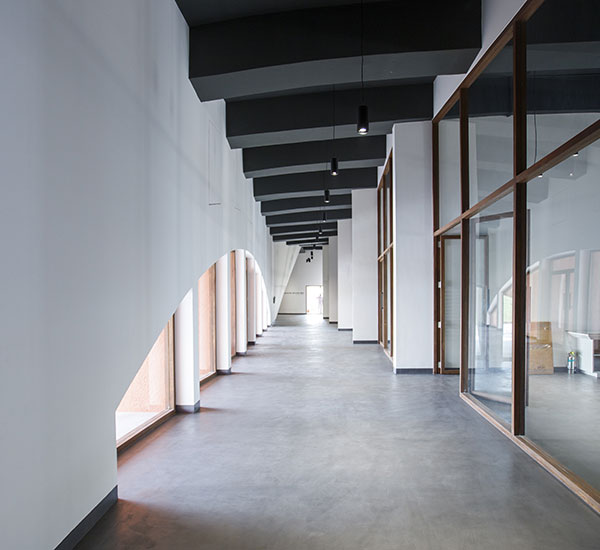
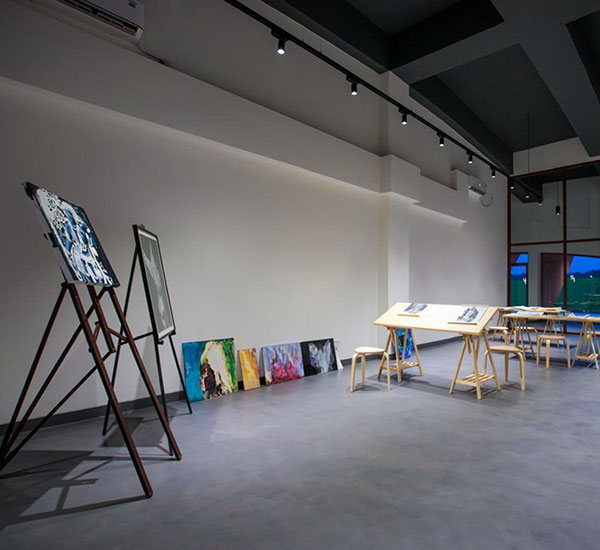
The residency’s infrastructure is meticulously designed to cater to the diverse needs of artists, boasting grand gallery spaces, light-filled studios and cozy apartments tailored for immersive residencies. Artists are provided with cutting-edge production facilities and guidance from industry experts fostering an environment conducive to experimentation and artistic exploration.
Central to the residency’s ethos is its commitment to engaging with the local community and global visitors alike. Through a myriad of workshops, educational initiatives and collaborative ventures, residents are afforded the opportunity to share their work and partake in cross-cultural exchanges.
In essence, HAL offers a transformative experience, wherein artists are not only provided with a tranquil haven to nurture their creativity but are also encouraged to forge meaningful connections with the rich cultural heritage and crafts of the region, the local community and other resident artists.
We invite artists, designers, and creative practitioners to submit proposals for a residency program engaging with the interconnected themes of ecology, heritage, and craft communities in Hampi.
This residency seeks to support practices that are rooted in place-based research and that critically or poetically respond to the region’s unique cultural and environmental landscape. Hampi, with its layered histories, living traditions, and distinctive ecology, offers a rich context for artistic exploration and dialogue.
The call is open to early and mid-career artists working across visual arts, including painting, sculpture, print making, installation, photography, video, and interdisciplinary practices.