Subscribe to Our Newsletter

Residency brief

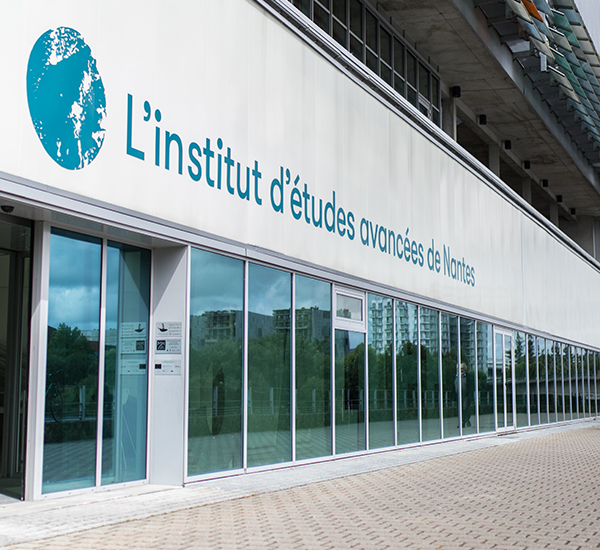
The Institut d'études avancées de Nantes (IEA de Nantes) is a research foundation established in 2009. It provides scholars and artists from around the world with the conditions for independent, interdisciplinary research at the intersection of the humanities, social sciences, and arts. Since its founding, the Institute has welcomed over 400 fellows from more than 60 countries, with a strong commitment to North–South dialogue and to voices from the Global Souths.

The IEA de Nantes offers a protected space for free intellectual inquiry — a place where scholars can slow down, take intellectual risks, and develop projects in dialogue with a diverse international community. Beyond its research community, residents are invited to engage with the Institute's network of territorial partners — including cultural institutions, universities, and civic associations active in the Nantes area — opening their work to the wider social and cultural fabric of the city.
  • Thematic focus The Institute is particularly attentive to proposals engaging with questions of habitability and planetary limits, commons and shared governance, ecological transitions, epistemic justice, colonial legacies, and the intersections of art and knowledge.
  • Location Nantes
  • Dates March - August 2027
  • Length of stay 8 - 12 weeks

Our Space

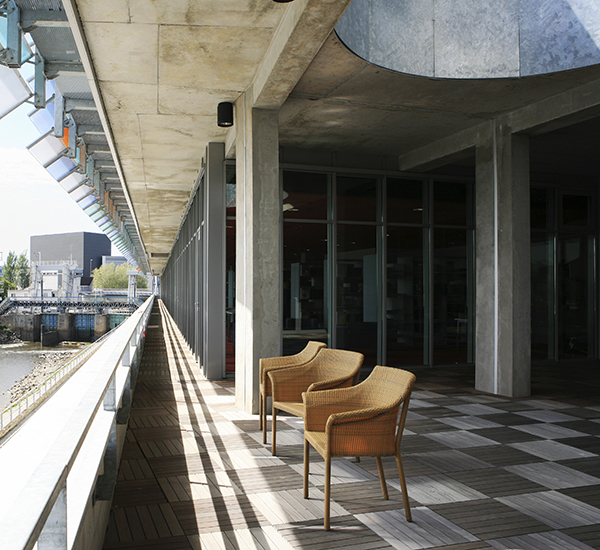
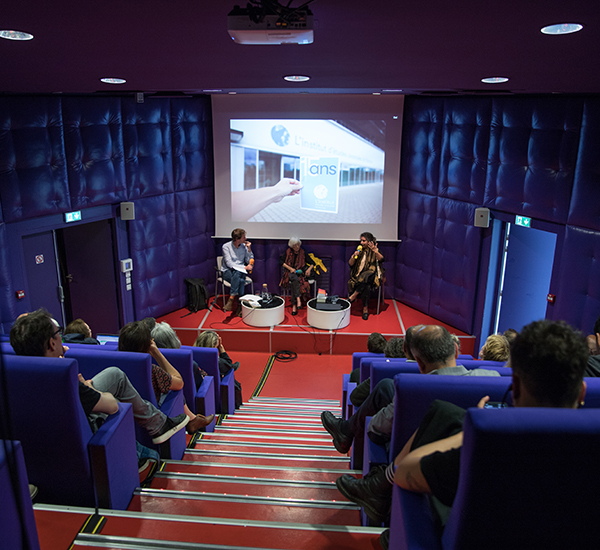
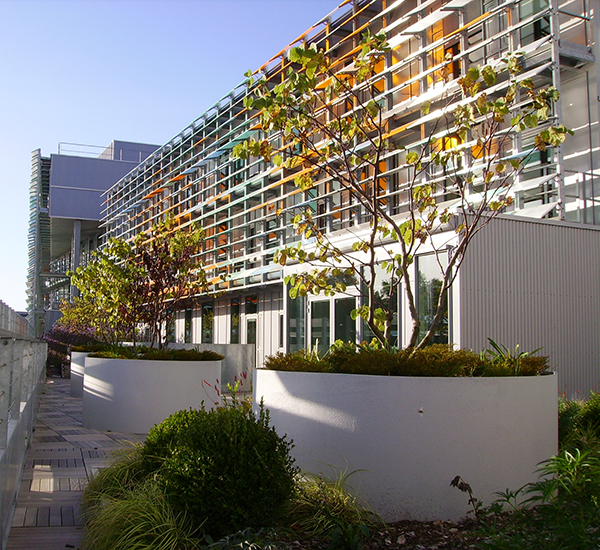
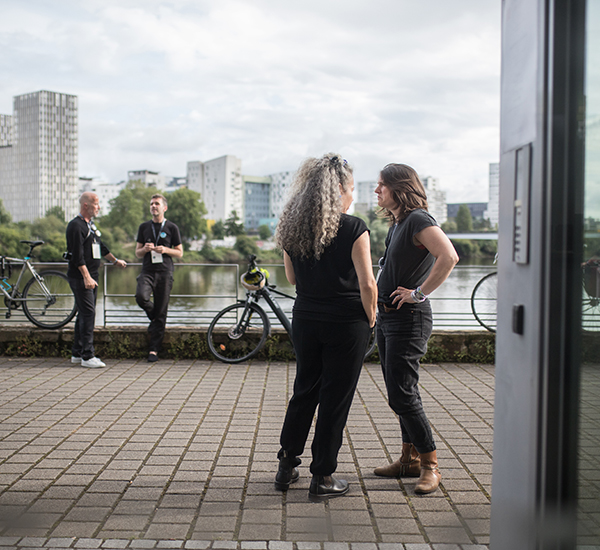
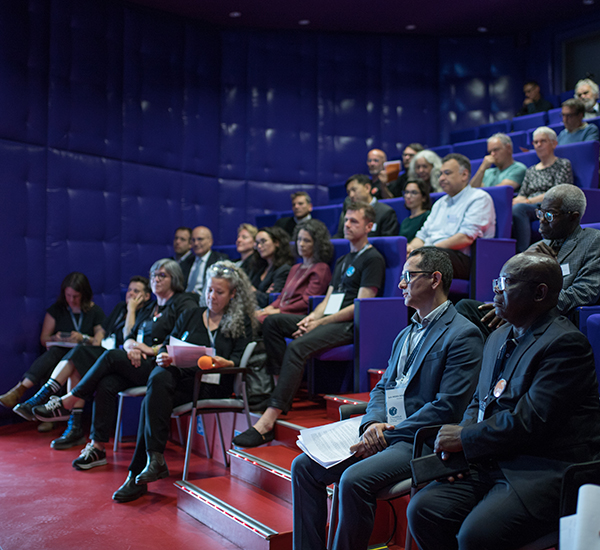
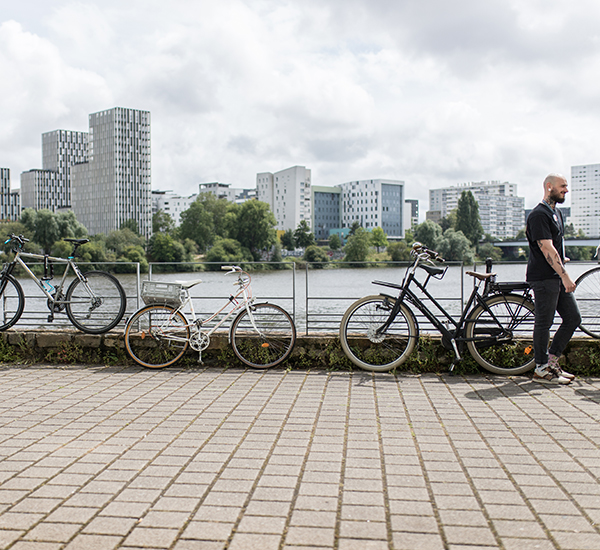
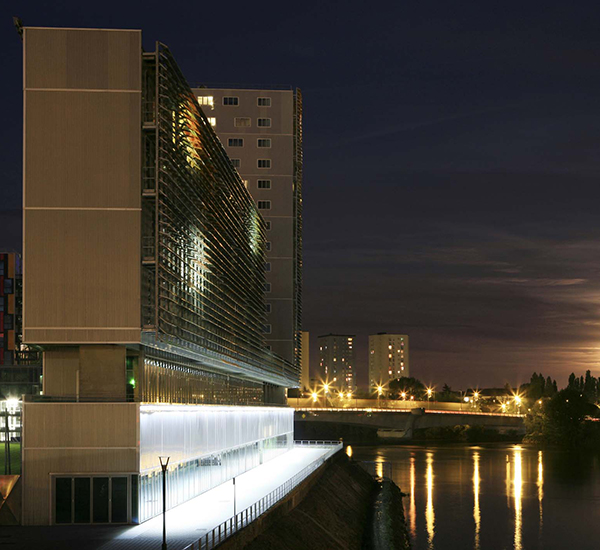
The IEA de Nantes is located in the heart of Nantes, in western France, on the banks of the Loire River — two hours from Paris by high-speed train. Fellows have access to a furnished private office, seminar rooms, an amphitheatre, and a specialist research library.

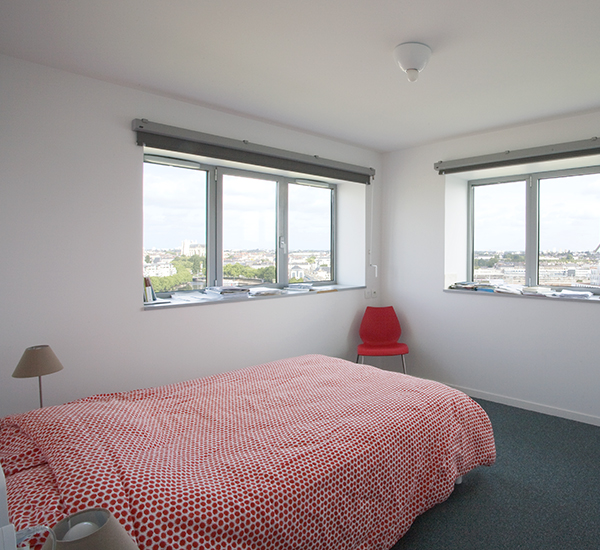
Private furnished apartments are located in an adjacent building, just steps from the offices. Fellows meet regularly at weekly research seminars and in the Institute's Club, a convivial shared space with a panoramic terrace overlooking the Loire.

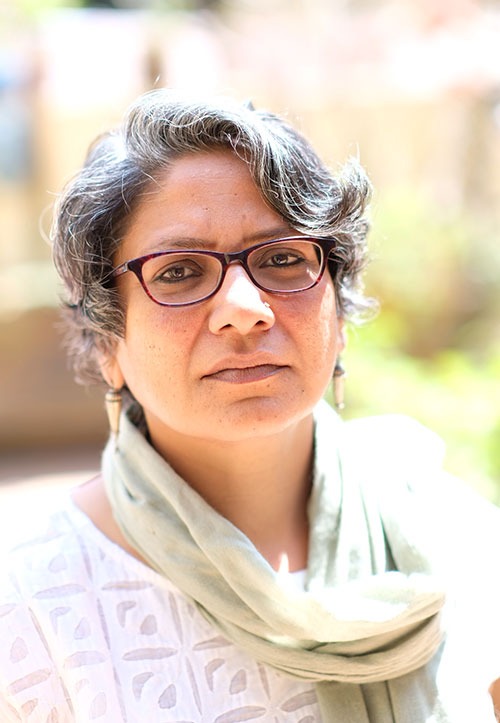
Aastha Chauhan

Artist, educator and curator

I look forward to the time and intellectual companionship offered by the residency at the Institut d'Études Avancées de Nantes. I hope to make the most of this opportunity by reflecting on how long-term relationships, care, and collaborative knowledge-making can enrich broader conversations around art, ecology, and pedagogy.

Aastha is an artist and educator based in Bengaluru, working across socially engaged art, pedagogy and collaborative practices. Her work comprises long-term, site-responsive projects developed in collaboration with communities. Since 2008, she has been associated with Henvalvani Community Radio in Uttarakhand, where her practice has evolved through sustained engagement and field-based learning. She teaches at Srishti Manipal Institute of Art, Design and Technology.

Residency conditions

  • The resident will benefit from an accommodation. Private furnished apartments are located in an adjacent building, just steps from the offices.
  • The resident will benefit from a working space within the Institut d’études avancées de Nantes. Fellows have access to a furnished private office, seminar rooms, an amphitheatre, and a specialist research library.
  • The residents’ travel costs to and from their home address will be covered by the French Institute in India
  • The resident will be given a residency grant of INR 110 000 per month.
  • The resident will be expected to participate in seminars, conferences, workshops or events organised by the French Institute in India or the Institut d’études avancées de Nantes.
  • This is an exploratory residence, which means that there is no obligation of results at the end of the residency. However, an activity questionnaire is filled at the end of the residency and the residency program needs to be acknowledged in any production or work resulting from the residency.
  • The French Institute in India expects the selected resident to send them a short text (1000 - 2000 words) testifying of their experience within 3 months of completion of the residency.

Eligibility criteria

  • Proficiency in English is required for the applicant, whereas fluency in French is not a prerequisite.
  • Applications are welcome from researchers at all career stages, from postdoctoral fellows to senior scholars. Applicants are expected to have a track record that includes at least one manuscript or two peer-reviewed articles in indexed journals.