Residency brief
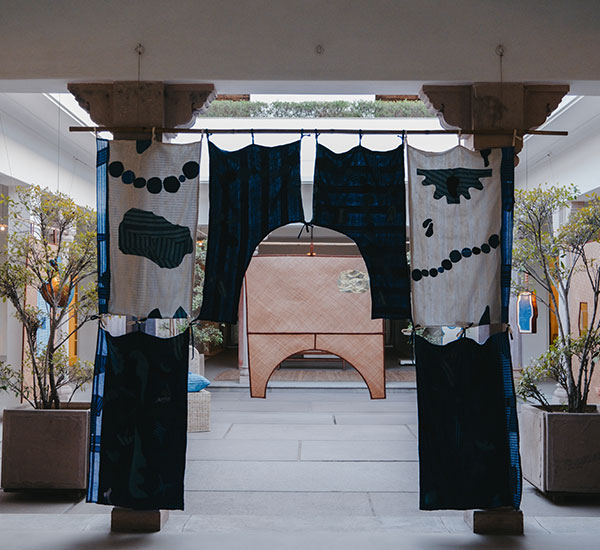
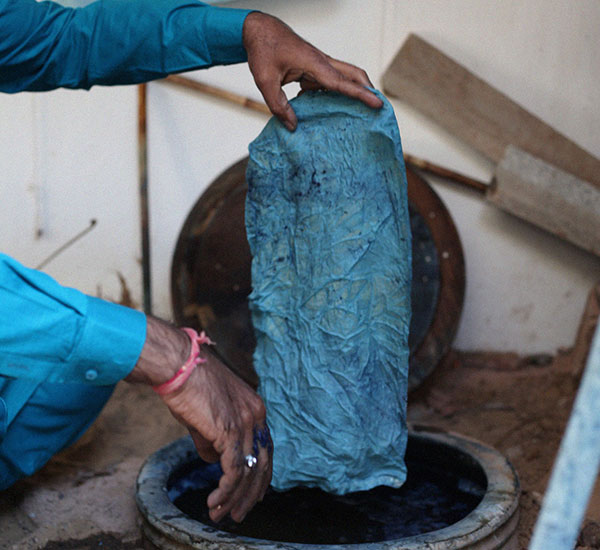
Nila is a cultural centre of excellence dedicated to preserving and celebrating India’s rich and diverse craft traditions, with a focus on handmade textiles and natural dyes. Ingrained in the cultural heritage of artisanal communities, these crafts are defined by sustainable practices that have been used and passed down through generations. Nila’s mission is to support and strengthen these valuable systems through research, artisan outreach, farm-to-fabric collaborations, environmentally-conscious design practices, market facilitation, and the preservation of traditional knowledge.
Through its wide-ranging projects, Nila serves as a source of shared knowledge - inspiring individuals, communities, and industries to achieve new levels of accountability through regenerative practices and social responsibility.
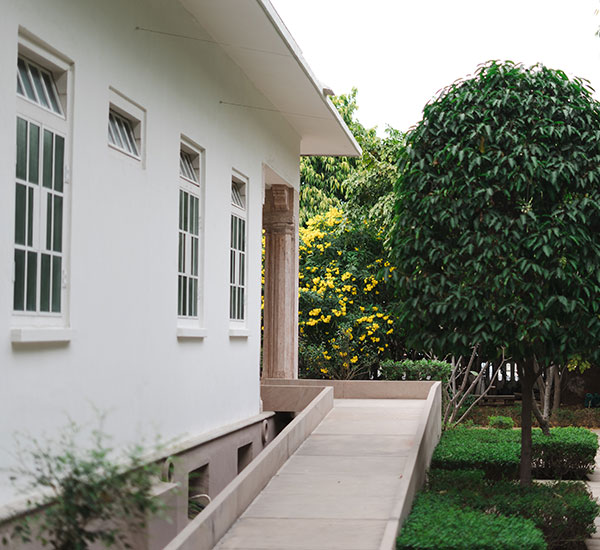
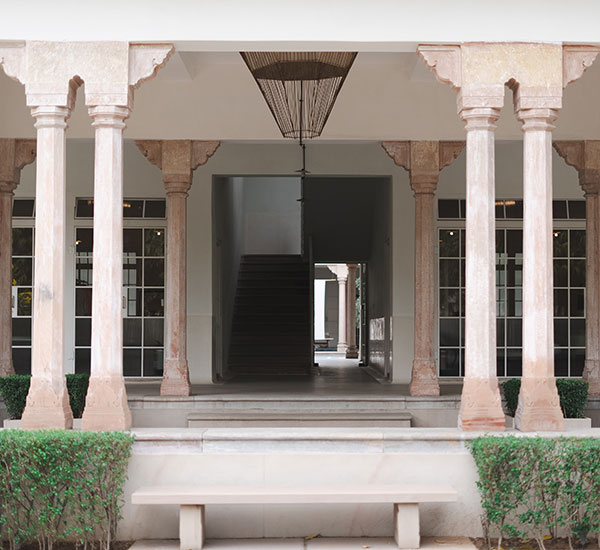
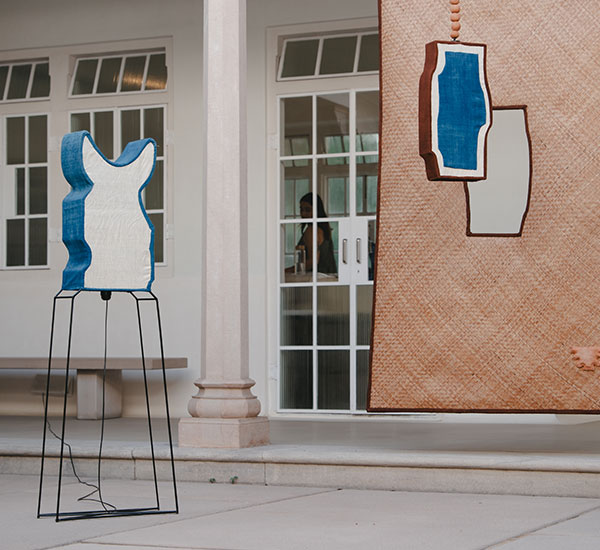
Nila’s initiatives span across all India, with Nila House – its vibrant hub, standing in the heart of Jaipur. It is a space dedicated to sharing knowledge and the celebration of craft. Through artisan-led workshops, talks, immersive exhibitions, inspiration through artists in residencies, an open library and a working studio, Nila House encourages craft-preservation and sustainable practices, engaging an ever-growing community of visitors.
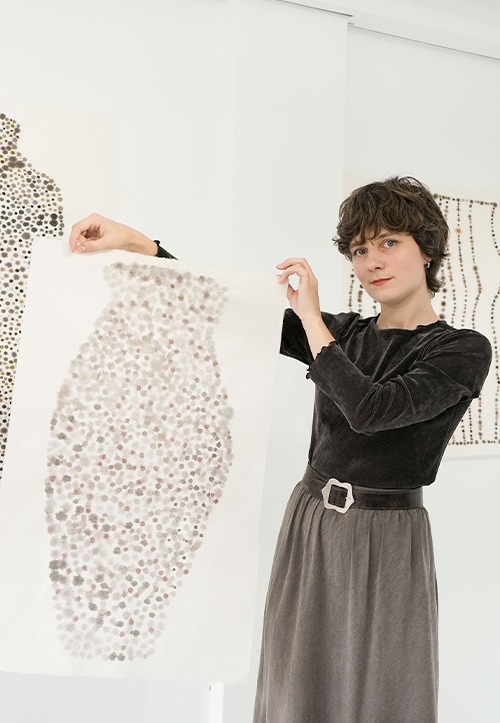
In partnership with Villa Swagatam, Nila House welcomes artists in residence within its premises of a unique heritage value. Through the Nila framework, the resident is exposed to the various crafts and communities that Nila actively works with. The artist can explore natural local mediums as forms of expression and actively engage in craft community projects. This is an invaluable opportunity for applicants hoping to enrich their practice through craft processes. They provide exposure to endangered knowledge systems and their custodians which is an exceptional opportunity for growth and exposure to community groups as well as to the craftspeople themselves.