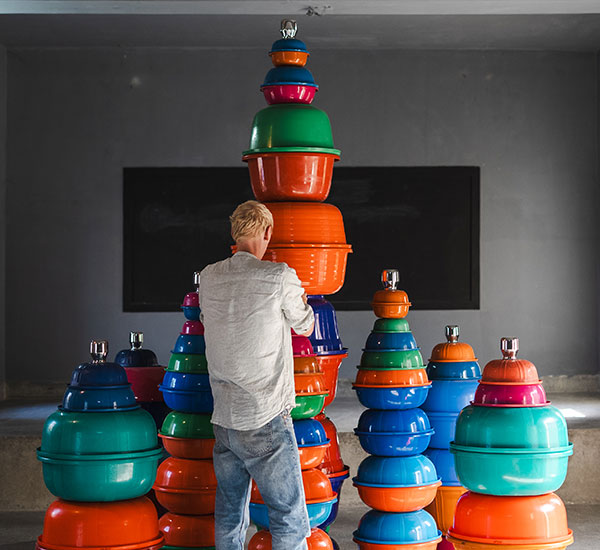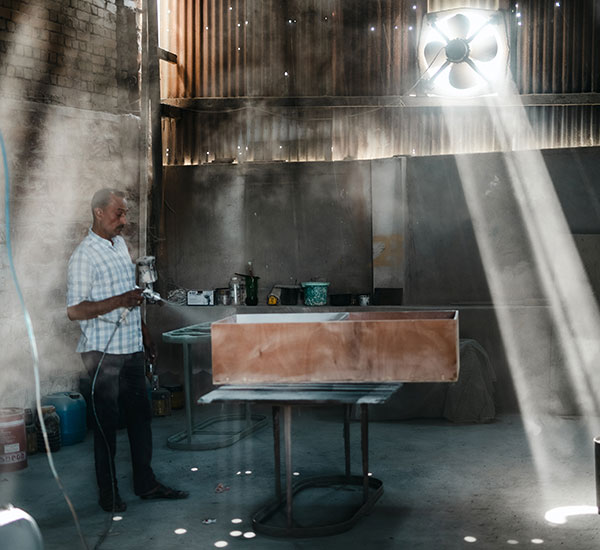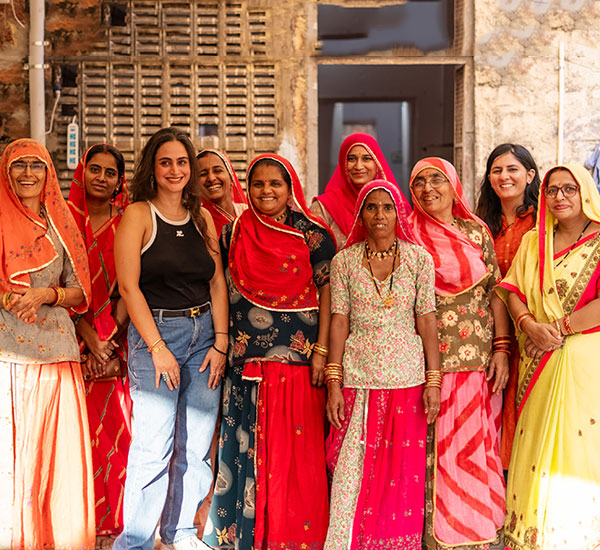
Public Arts Trust of India (PATI) is dedicated to promoting and supporting cultural practitioners who research the heritage and history of Jaipur and Jodhpur. Its initiatives foster a more holistic growth of arts and culture through artists residencies, commissioning, curating, education and professional programmes and community exchange.
This specific residency programme for Villa Swagatam - located in Jodhpur, one of the most emblematic cities of Rajasthan - will allow the artist to engage with the local community and develop new collaborative work. The project developed throughout the residency will later be exhibited at Jodhpur Arts Week Edition 2.0 in October 2026 and could involve a variety of mediums, from sculpture, performance, video, sound or visual installations.
The resident will engage and explore the cultural heritage of Jodhpur, through its oral and material traditions. To this end, the resident will have access to PATI’s extensive research on the work of artisans, the city’s architecture, folklore artists and performers from the region. The resident will also benefit from PATI’s network of experts who will be available to support and build the residency programme on the ground, giving access to very specific communities.
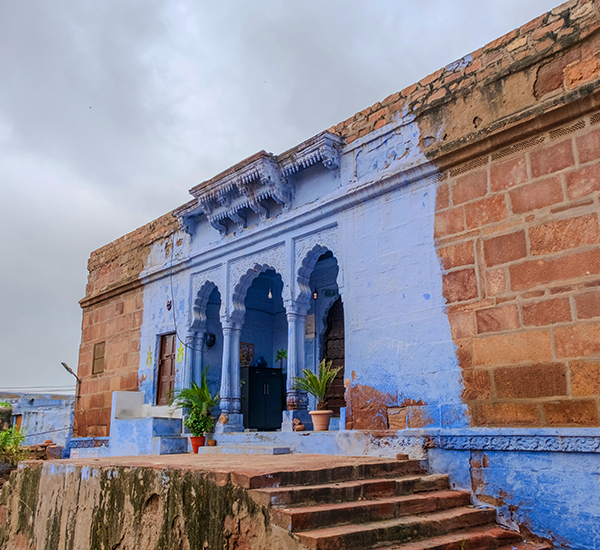
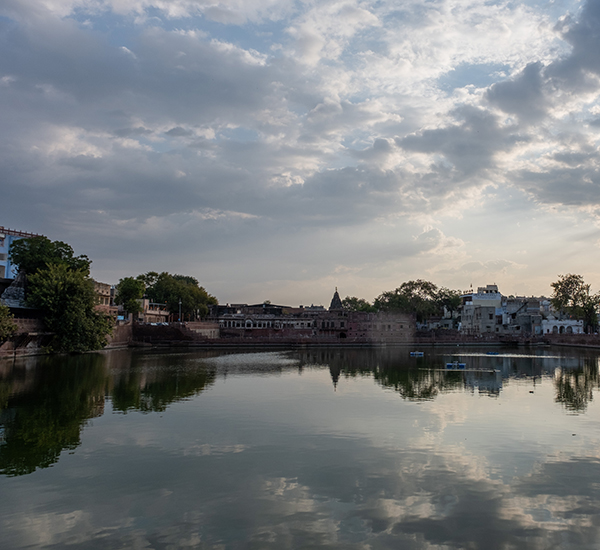
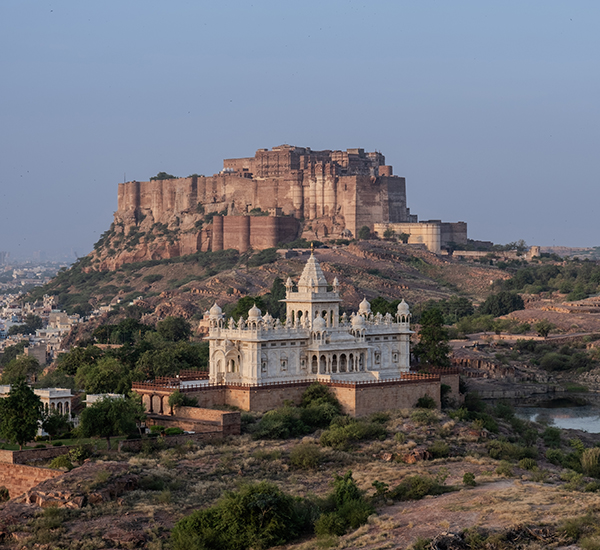
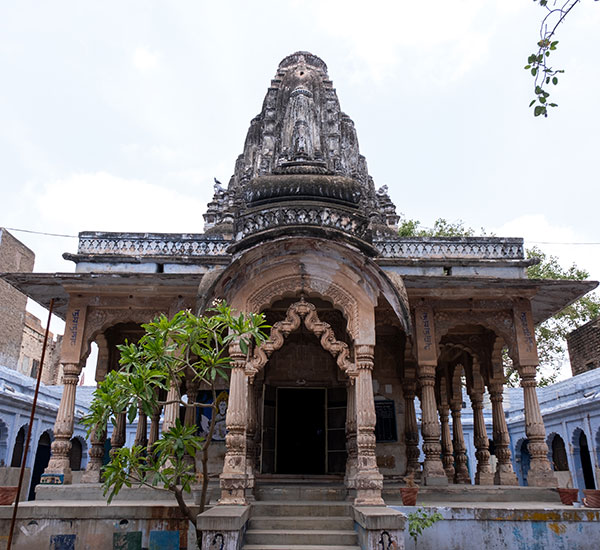
Jodhpur is the second-largest city in the state of Rajasthan. Although it is now considered an Indian Metropol, its most aesthetic value is the historic city centre, including its central and iconic Mehrangarh Fort. The town was formerly the seat of the princely state of Jodhpur, the capital of the Kingdom of Marwar.
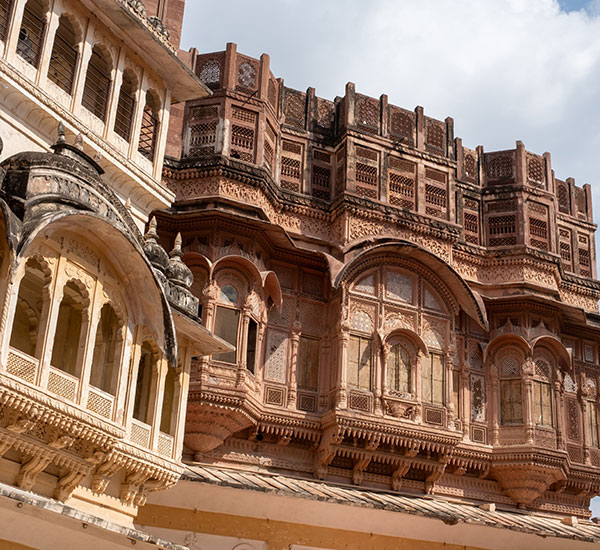
Jodhpur is famous for its many palaces, forts, and temples, set in the stark landscape of the Thar desert. It is popularly known as the "Blue City," as many houses around the iconic fort are painted blue. Next to its tangible sites, the region is known for its intangible richness, including performing arts and crafts, but also education; hence it is the academic centre of the state of Rajasthan, with its many institutes and universities. During his/her stay, the resident will have the opportunity to work at multiple venues in the city, getting exposure and inspiration to all facets of the town and its environment.
Artist
Deep within the history of humankind lies a legend, a myth, a fable that has been told for more than 2,000 years and is shared, in one form or another, by nearly every people through their sacred narratives: the story of the Flood—the great storm, the destruction and purification of societies, souls, dreams, and realities.
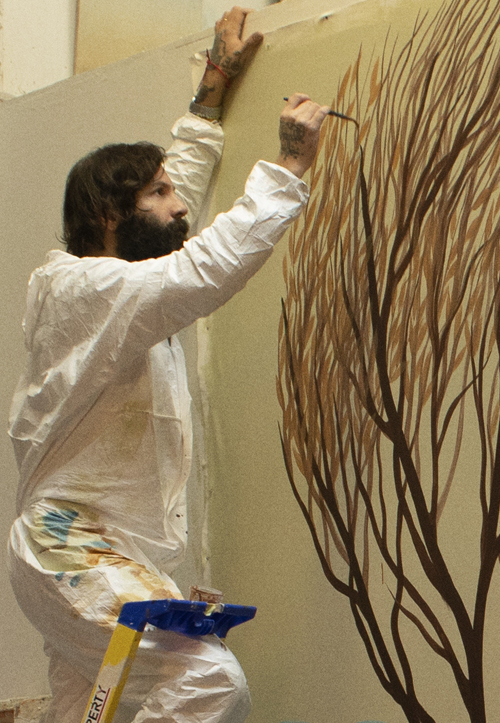
This is where I would like to begin in Jodhpur, using the psychology of the Flood and of rebirth as a framework for thought, through a series of paintings that together form a sensitive exploration of our transformations, our passages, the bridges we cross, the doors without locks, the turbulent seas, the lost landscapes, and the promise of the earth, which quietly watches over our endless process of learning.
Jeremy Demester is a French-Beninese contemporary artist of Gypsy origin (1988, Digne, France) who lives and works in Ouidah, Benin.
Graduated from les Beaux-Arts, Paris with congratulations of the jury, he received the Prix des Amis des Beaux-Arts in 2015. His work has been the subject of numerous solo and group exhibitions across the world. In 2017, he paid tribute to the artist Raymond Hains as curator of the exhibition You know nothing Raymond at Galerie Max Hetzler, Berlin. As part of the exhibition Peindre la nuit at the Centre Pompidou Metz, and the Nocturne #2 Sacred Night, he was invited in 2018 to create a scenic work with the CCN - Ballet de Lorraine.
His works are included in the collections of the Zinsou Foundation, Istanbul Modern, the Rennie Museum in Vancouver, the Musee d’Art Moderne et Contemporain Saint-Etienne Metropole, Patrimoine Hennessy, Nesr Art Foundation and numerous private collections.
He chairs the Atoké on-profit organisation founded in 2019 with his wife Marie-Sophie Eiché Demester, supporting an orphanage of 39 children in Benin. Atoké helps these children grow up with dignity by providing them with love, education, good health, food, and legal assistance for each of them.