Residency brief
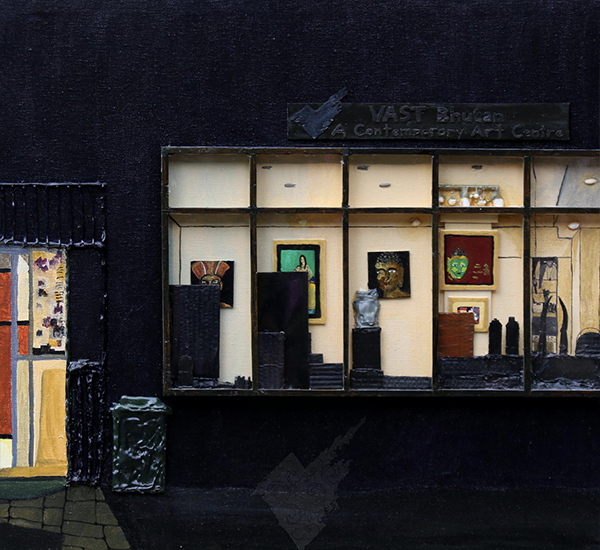
The VAST HeART Residency is an initiative of VAST Bhutan dedicated to fostering creative exploration, artistic dialogue, and social engagement through contemporary art.
The residency provides artists with time, space, and a supportive environment to develop their artistic practice while interacting with the local community and the cultural context of Bhutan. The program encourages experimentation, interdisciplinary collaboration, and reflection on art’s role in society. The residency aligns with VAST Bhutan’s mission to promote contemporary art, nurture creativity among artists and youth, and encourage socially responsible artistic practices.
VAST Bhutan is a non-profit registered Civil Society Organisation (CSO) dedicated to promoting contemporary Bhutanese art. Founded in 1998 by a group of professional artists, it was established with the goal of providing opportunities for the youth and young art enthusiasts in Bhutan. The organisation’s primary aim is to nurture and develop artistic talent, particularly in contemporary art, among Bhutanese youth. VAST Bhutan also strives to promote social values, social responsibility, and life skills through art, while fostering artistic expression and appreciation.
The organisation has been recognized for its achievements and was awarded the National Order of Merit (Gold) in 2016 by His Majesty The King of Bhutan for its contributions to promoting art, humanitarian values, culture, tradition, compassion, and empathy.